
Table of Contents
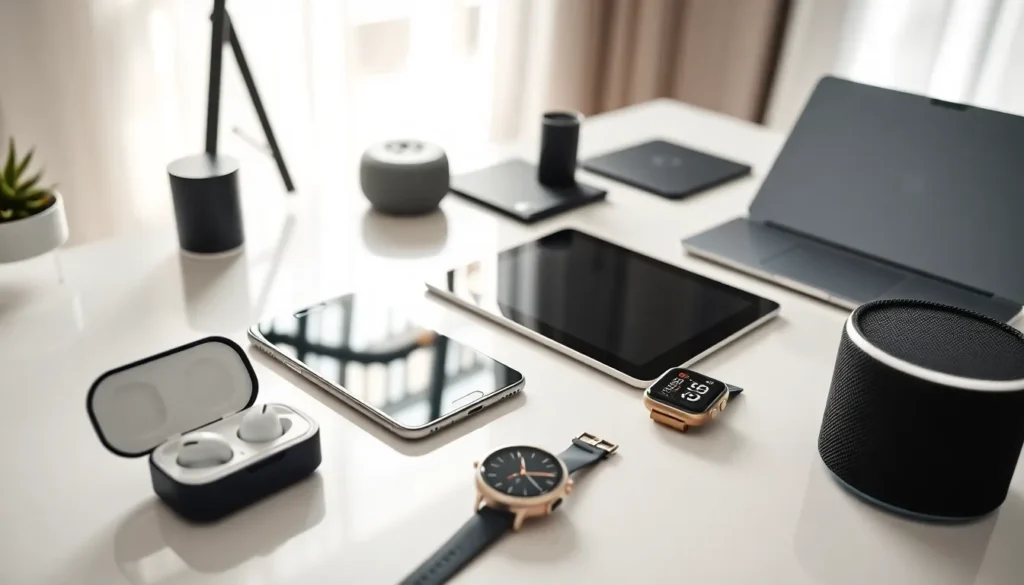
ToggleChoosing the right tech can feel overwhelming. A solid gadgets guide cuts through the noise and helps buyers make smart decisions. Whether someone needs a new smartphone, fitness tracker, or smart home device, understanding what matters most saves time and money.
This gadgets guide breaks down the essentials. It covers major gadget categories, key features worth paying for, and how to balance budget with quality. By the end, readers will know exactly what to look for before clicking “buy.”
Key Takeaways
- A solid gadgets guide helps buyers navigate categories like smartphones, wearables, smart home devices, and audio equipment to make informed decisions.
- Prioritize battery life, build quality, software updates, and ecosystem compatibility when evaluating any gadget purchase.
- Mid-range options often deliver excellent value—budget smartphones and streaming devices perform nearly as well as premium alternatives.
- Invest more in laptops and noise-canceling headphones, where premium models offer significantly better performance and longevity.
- Maximize your gadgets by learning settings, using protective cases, enabling cloud backups, and keeping software updated.
- Consider last year’s flagship models or certified refurbished gadgets to get premium features at 30-40% lower prices.
Understanding Different Gadget Categories
The gadgets market splits into several main categories. Each serves different purposes, and knowing the distinctions helps buyers focus their search.
Smartphones and Tablets
Smartphones remain the most essential gadgets for most people. They handle communication, entertainment, productivity, and photography. Tablets fill a middle ground between phones and laptops, great for media consumption, reading, and light work.
Wearables
Fitness trackers and smartwatches have exploded in popularity. These gadgets monitor health metrics like heart rate, sleep quality, and step counts. Premium options include GPS tracking, cellular connectivity, and advanced workout features.
Smart Home Devices
Smart speakers, thermostats, security cameras, and lighting systems form this category. They connect to home Wi-Fi and often work with voice assistants like Alexa or Google Assistant. These gadgets add convenience but require some setup.
Audio Equipment
Wireless earbuds, headphones, and portable speakers dominate this space. Noise cancellation, battery life, and sound quality vary widely between models. Buyers should consider where they’ll use the gadgets most often.
Gaming and Entertainment
This category includes gaming consoles, VR headsets, streaming devices, and handheld gaming systems. Entertainment gadgets often require the highest upfront investment but deliver years of use.
Key Features to Consider Before Buying
Not all gadgets are created equal. These features separate good purchases from regrettable ones.
Battery Life
Battery performance matters more than most specs. A gadget with amazing features becomes useless when it dies mid-day. Check real-world battery tests, not just manufacturer claims. Phones should last a full day of heavy use. Wireless earbuds need at least 5-6 hours per charge.
Build Quality and Durability
Materials matter. Aluminum and glass feel premium but may crack. Plastic scratches but survives drops better. Water resistance ratings (IP67, IP68) indicate how gadgets handle spills and rain. For active users, durability should rank high on the priority list.
Software and Updates
Gadgets need regular software updates for security and new features. Apple typically supports iPhones for 5-6 years. Android support varies by manufacturer, Google and Samsung lead here. Smart home gadgets also need ongoing updates to stay secure.
Compatibility and Ecosystem
Some gadgets work best within specific ecosystems. Apple products sync seamlessly together. Google devices integrate with Android phones. Buyers already invested in one ecosystem should stick with compatible gadgets to maximize functionality.
Repairability
Can the gadget be fixed when something breaks? Some manufacturers use proprietary parts and discourage third-party repairs. Others provide repair guides and sell replacement components. This factor affects long-term ownership costs.
Budget vs. Premium: Finding the Right Balance
Price doesn’t always equal quality. This gadgets guide recommends a strategic approach to spending.
Where Budget Options Shine
Mid-range smartphones now offer excellent cameras, fast processors, and solid build quality. Brands like Samsung, Google, and OnePlus produce capable phones under $500. Budget wireless earbuds from companies like Anker and Soundcore deliver impressive sound for under $80.
Streaming devices represent another area where budget wins. A $30 Roku or Fire TV Stick does everything most users need. Spending $150+ on an Apple TV or NVIDIA Shield only makes sense for specific use cases.
When Premium Pays Off
Laptops benefit from premium investment. A well-built laptop lasts 5-7 years and handles demanding tasks without slowdown. Cheap laptops often frustrate users within two years.
Noise-canceling headphones also justify higher prices. The difference between $80 and $300 models is dramatic. Premium options block more noise, sound better, and feel more comfortable during long listening sessions.
The Sweet Spot Strategy
For most gadgets, the sweet spot sits just below flagship pricing. Last year’s premium phone often costs 30-40% less than the newest model while offering 90% of the performance. Refurbished gadgets from certified programs provide another path to premium features at budget prices.
Tips for Getting the Most Out of Your Gadgets
Buying smart gadgets is only half the battle. These tips help owners maximize their investment.
Learn the Settings
Most people never explore their gadgets’ full capabilities. Spend 15 minutes after purchase learning the settings menu. Enable useful features. Disable battery-draining options. Customize controls to match personal preferences.
Protect Your Investment
Cases and screen protectors cost far less than repairs. For expensive gadgets like phones and tablets, protection makes financial sense. Consider extended warranties for items over $500, especially those prone to accidents.
Keep Software Updated
Updates fix security holes and improve performance. Enable automatic updates when possible. For gadgets without auto-update, set a monthly reminder to check manually.
Use Cloud Backup
Photos, documents, and settings should sync to cloud storage. If a gadget breaks or gets lost, everything important remains safe. Both Apple and Google offer free tiers of cloud storage.
Know When to Upgrade
Gadgets don’t last forever. Signs of aging include poor battery life, slow performance, and lack of software support. Trading in old gadgets often reduces the cost of replacements. Most manufacturers and carriers offer trade-in programs with fair values.


