
Table of Contents
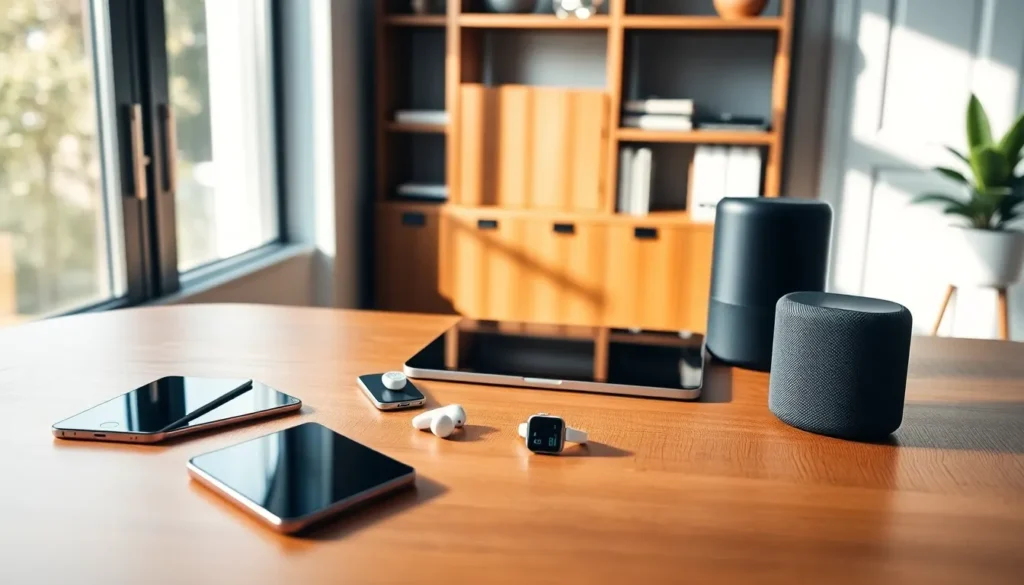
ToggleLearning how to gadgets work can feel overwhelming at first. Smartphones, smartwatches, tablets, and wireless earbuds fill homes and offices. Each device promises convenience, but only if users know how to set them up and use them properly.
This guide breaks down the basics of everyday tech. It covers what gadgets actually are, how to set them up correctly, how to fix common problems, and how to maximize their potential. Whether someone just bought their first smartphone or wants to get more from their existing devices, these practical tips will help.
Key Takeaways
- Understanding how to gadgets work starts with recognizing their core components: power source, processor, sensors, and user interface.
- Always fully charge new gadgets and update software immediately after setup to prevent common problems.
- Most gadget issues like slow performance, connectivity problems, and battery drain have simple fixes that don’t require professional repair.
- Learn keyboard shortcuts, gestures, and built-in features to maximize your gadgets’ potential and save time.
- Integrate your devices together as a system—pairing smartwatches with phones or linking smart home devices—to multiply their value.
- Enable automatic software updates to keep your gadgets secure, bug-free, and running with the latest features.
Understanding What Gadgets Are
Gadgets are electronic devices designed to perform specific tasks. They range from simple items like digital thermometers to complex devices like smartphones. The term “gadget” typically refers to portable, user-friendly technology that makes daily tasks easier.
Modern gadgets fall into several categories:
- Communication devices: Smartphones, tablets, and smartwatches
- Entertainment gadgets: Streaming sticks, gaming consoles, and e-readers
- Smart home devices: Voice assistants, smart thermostats, and security cameras
- Wearables: Fitness trackers, smart rings, and wireless earbuds
Understanding how to gadgets function starts with recognizing their core components. Most devices share common features: a power source, a processor, sensors, and a user interface. Smartphones, for example, combine a touchscreen interface with cameras, GPS sensors, and wireless connectivity.
Gadgets connect to the internet through Wi-Fi, Bluetooth, or cellular networks. This connectivity allows them to sync data, receive updates, and communicate with other devices. A smartwatch syncs with a phone. A voice assistant connects to streaming services. These connections create an ecosystem where gadgets work together.
The key to mastering any gadget is understanding its primary function first. A fitness tracker counts steps and monitors heart rate. A smart speaker plays music and answers questions. Start with the basics before exploring advanced features.
Essential Tips for Setting Up New Gadgets
Setting up gadgets correctly saves time and prevents frustration later. Follow these steps for a smooth start.
Charge Before Use
Always fully charge a new gadget before the first use. Most devices ship with partial battery. A full charge helps calibrate the battery and ensures the setup process won’t be interrupted.
Read the Quick Start Guide
Manufacturers include quick start guides for a reason. These documents highlight essential steps and warn about common mistakes. They take five minutes to read and can prevent hours of troubleshooting.
Connect to Wi-Fi
Most gadgets need internet access for initial setup. They download updates, verify accounts, and sync with cloud services. Use a stable Wi-Fi connection rather than mobile data when possible.
Create or Link Accounts
Gadgets often require accounts with manufacturers or service providers. Apple devices need an Apple ID. Android phones require a Google account. Create strong passwords and enable two-factor authentication for security.
Update the Software
New gadgets frequently have firmware updates waiting. These updates fix bugs and add features. Run updates immediately after setup. This simple step prevents many common problems.
Customize Settings
Default settings work for most users, but personalization improves the experience. Adjust display brightness, notification preferences, and privacy settings. Turn off features that drain battery unnecessarily.
Learning how to gadgets operate becomes easier when users invest time in proper setup. Rushing through this process often creates problems that surface weeks later.
Common Gadget Problems and How to Fix Them
Every gadget user encounters problems eventually. Most issues have simple solutions.
Device Won’t Turn On
This problem usually traces back to the battery. Plug the device into a charger and wait 15 minutes before trying again. If that fails, try a different charging cable or adapter. Faulty cables cause more charging problems than faulty devices.
Slow Performance
Gadgets slow down when storage fills up or too many apps run simultaneously. Delete unused apps and files. Restart the device to clear temporary data. For older gadgets, a factory reset can restore original speed, just back up data first.
Connectivity Issues
Wi-Fi and Bluetooth problems frustrate everyone. Start by turning the connection off and on again. Move closer to the router or paired device. Restart both the gadget and the network equipment. If problems persist, forget the network and reconnect with the password.
Battery Drains Quickly
Poor battery life often results from background apps, high screen brightness, or outdated software. Check which apps consume the most power in settings. Reduce brightness and enable battery saver mode. Update to the latest software version.
Frozen Screen
When a gadget stops responding, force restart it. Most devices have a specific button combination for this. iPhones require pressing volume and power buttons together. Android devices vary by manufacturer. Check the user manual for exact instructions.
Knowing how to gadgets respond to troubleshooting makes ownership less stressful. Most problems don’t require professional repair or replacement.
Getting the Most Out of Your Gadgets
Owning gadgets is one thing. Using them effectively is another. These strategies help users maximize their technology investment.
Learn Keyboard Shortcuts and Gestures
Every gadget has hidden efficiency features. Smartphones respond to swipe gestures. Laptops have keyboard shortcuts. Voice assistants accept custom commands. Spending 20 minutes learning these shortcuts saves hours over time.
Explore Built-In Features
Many users ignore features that come pre-installed. Smartphones include document scanners, screen recorders, and accessibility tools. Smart speakers control smart home devices. E-readers have dictionary lookup and note-taking functions. Explore settings menus to discover these tools.
Use Automation
Modern gadgets support automation that handles repetitive tasks. iPhones have Shortcuts. Android phones have Routines. Smart home devices follow schedules. Set up automations for morning alarms, evening lighting, or location-based reminders.
Integrate Devices Together
Gadgets work better as a system. Pair a smartwatch with a phone for notifications on the wrist. Connect a tablet to a wireless keyboard for productivity. Link smart home devices to a central hub for unified control. This integration multiplies the value of each individual gadget.
Stay Updated
Manufacturers continuously improve gadgets through software updates. These updates add features, improve security, and fix bugs. Enable automatic updates or check manually each month. An updated gadget performs better than one running old software.
Understanding how to gadgets work together and evolve through updates transforms casual users into power users.


